The Best Sunburn Ever

Hi Stand In Lovers!

July is in full swing in the Mohave Desert of Las Vegas!  We have been afforded a few days of cloudy, humid relief;  a most welcome respite from the 100+ degree temperatures that fill our dry, scorching-hot, summers.

Yesterday, while enjoying a fun-filled early morning lesson with my incredibly talented and passionate horse trainer Callie Klein, I inadvertently took in some extra sun! The sky was overcast, the air cool and breezy,  and the clouds hung low over the rugged Spring Mountain peaks rising in the Northwest.   I was so immersed in my groundwork lesson learning the fundamentals of natural horsemanship, that I neglected to put on my usual wide-brimmed sunhat and sunscreen.  It felt wonderful to be co-learning with King, my training partner and equine friend, that I even removed my long-sleeved sun shirt!  (This is the kind of joy a cloudy day brings to a native Chicagoan!).

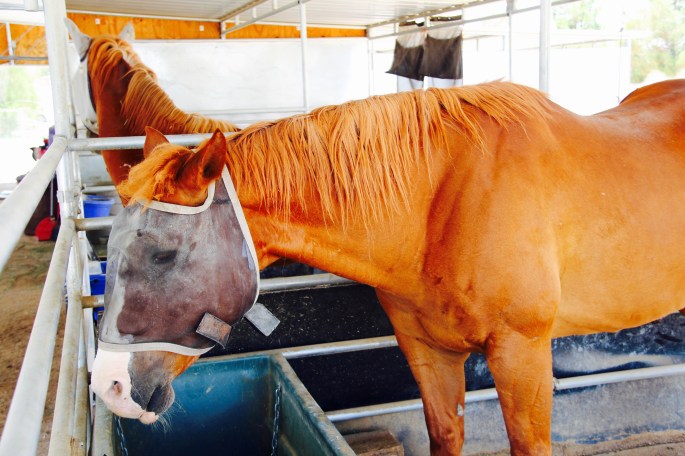
Meet King.

We had a ball meeting each other for the first time becoming quickly acquainted in the round pen playing Parelli’s famous horse games like friendly game, porcupine game, yo-yo game, and driving game.   Our rendez-vous closed with several rounds of circle game in which I attempted to ask King to move in a particular direction of travel relying on nonverbal communication to do so.  Seems so simple as a spectator:  Ask your horse to travel in a circle in a small pen.  However, all things seemingly simple are more complicated than they appear.  It’s a talented horseman that makes it look so simple.  What is absent in these magical displays is the PROCESS it takes to get there.   I am just beginning to understand this process and have fallen head-over-heels in love.   Now, I just want to slow things down, and work on becoming the best partner, communicator, and friend I can be to King.    I am indeed in love and it feels so good.
IMG_6857 (1).jpg

P.S.  You may get a sunburn in the process if you are having TOO much FUN! If so, try this awesome DIY that contains doTERRA’s pure CPTG grade essential oils.  Soothing, and refreshing as a skin freshener in the heat of a summer day as well as for sunburns!

Soothing Summer Skin Spray

INGREDIENTS:

INSTRUCTIONS:

  1. Mix together everything except the distilled water. Stir until well combined.
  2. Pour mixture into the spray bottle, and add distilled water. Shake to combine.
  3. To use, mist on skin as needed.

Stand In Love TIP:  I sometimes just add the essential oils directly to the aloe vera gel and apply the gel in a thick layer on my face 2x a day until swelling and redness is gone.  Of course, wear a hat and sunscreen until fully healed!

Until next time, stay cool out there friends! #standinlove

Jen
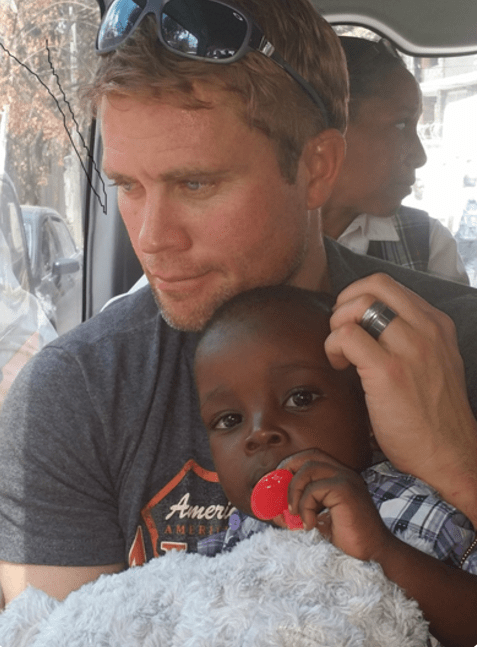
Jennifer Miller is a Las Vegas based writer, doTERRA wellness advocate, and business coach for global NGO BeadforLife.  Her passions include: serving people, inspiring ideas, and helping others live their purpose.  For more inspiration on beginning your essential oil journey, click here

Bringing HOPE to the World

Thank you so much for joining Stand In Love today!  I am honored to welcome you if you are a first-time guest!  This is a place to connect with like-minded change-makers around the world intent on sharing light and love in order to serve humanity.

 Serving People.       Inspiring Ideas.      Living Your Purpose.  

I recently caught up with a girlfriend from my hometown of Chicago whom I befriended during my college days as a waitress in an upscale Italian Steakhouse.  She is currently traveling through India and Nepal as a missionary, delivering hope to victims of sex trafficking.   I sent her essential oil vials to take on the journey, in order to support both her emotions as well as those of the women and children she encountered on the streets.

Sex Trafficking Defined

According to the Office of Refugee Resettlement, victims of human trafficking are subjected to force, fraud, or coercion for the purpose of commercial sex or forced labor. A 2011 Department of State report revealed the geographic locations with the highest percentages of sex trafficking victims include: Thailand, India, Mexico, Philippines, Honduras, and Nepal.  This is not to say that sex trafficking doesn’t exist in the United States, it does.   International travel-hubs like California and Texas host higher concentrations of immigrant populations and subsequently, have higher sex-trafficked victims.

Alarming statistics

According to research, over 20 million adults and children are bought and sold worldwide into commercial sexual servitude, forced labor, and bonded labor.  Almost 6 in 10 identified trafficking survivors were trafficked for sexual exploitation-98% of which are women and girls.

This is a criminal act in over 130 countries, yet sex trafficking is reported to be one of the fastest growing enterprises in the world.   This is unacceptable.  We must create awareness where there is none, and increase awareness where it is stagnant.

Why Share?

Last night while listening to some acoustic recordings by singer-songwriter Tracy Chapman, I reflected on my decision to join doTERRA as a Wellness Advocate earlier this year.  Why do I share essential oils with others? Why did I choose this journey?

The short answer is this:  People matter to me.

I learned that nearly 2/3 of the nations where these precious, potent, and pure essential oils are sourced are developing countries.  For me, the opportunity to share oils with the world is an educational platform.   My heart beats for the deeply impoverished, the lost, the forgotten, and the voiceless.  I am passionate about connecting with people and creating global bridges of understanding, and doTERRA gives me that incredible opportunity.

Each time I share a bottle of these highly aromatic oils, my mind is instantly transported to the British Columbian forests where Arborvitae trees stretch towards the sky, the vast Bulgarian lavender fields, and to the dry, dusty, and desolate stretches of Haiti where the Vetiver root is sourced and distilled.  The benefits of using these oils goes beyond personal health and wellness.  It is about coming into relationship with the human beings who helped in the arduous processes of harvesting, farming, and distilling.

Operation Underground Railroad.

doTERRA’s philanthropic arm, Healing Hands Foundation, has already made a huge impact in so many lives around the world.  The most recent partnership of the Foundation is an organization created to rescue children from slavery and from sex trafficking- Operation Underground Railroad (O.U.R. Rescue).  Founded in 2013 by Tim Ballard, the rescue team is composed of former CIA, Navy SEALs, and Special Ops operatives that work together with local law enforcement to rescue children.  To date, O.U.R. has rescued 693 victims and assisted in the arrests of more than 300 traffickers around the world.   Read about his undercover and emotional journey in Haiti here.

Spreading HOPE.

You may be thinking, “How can I help?” or “How can the sale of one essential oil bottle help put a stop to sex trafficking?” 100% of the proceeds from the sale of every bottle of HOPE Touch essential oil are donated directly to the mission of Operation Underground Railroad.

Let’s join together and help spread HOPE to a world so desperately in need of our love, caring, and voices.

Learn More.

To learn more about Operation Underground Railroad and how your donations through the purchase of the HOPE Touch essential oil are helping children around the world, click here.  To purchase this oil, please click here.

For more information about the Healing Hands Foundationclick here.

@standinlovejen on Instagram

@standinlove on Facebook

 Jennifer Miller is a Las Vegas based writer, doTERRA wellness advocate, and business coach for global NGO BeadforLife.  Her passions include: serving people, inspiring ideas, and helping others live their purpose.  For more inspiration on beginning your essential oil journey, click here


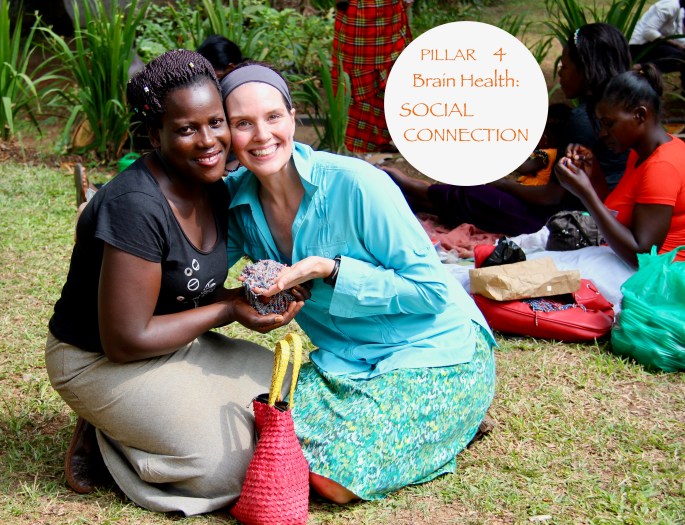
Pillar 4 of Brain Health: Social Interaction


You may say I’m a dreamer, but I’m not the only one. I hope someday you’ll join us. And the world will live as one.” – John Lennon

Welcome to Stand In Love!  If you are a first time connector, I am SO thrilled you joined us! 

Today, we are exploring Pillar 4 in our 6-part series on Brain Health.    To dive deep into this topic, I called up my girlfriend and friendship expert Shasta Nelson.  In case you missed the post featuring Shasta’s 3 core components of friendships, you can read it here.  So how does social connection promote brain health, and how can Shasta’s years of research on this subject benefit you? Read on!

Shasta’s personal mission: “Friendships can save the world!” 

Shasta Nelson, M.Div., is the Founder of GirlFriendCircles.com, a women’s friendship matching site in 65 cities across the U.S. and Canada. Her spirited and soulful voice for strong female relationships can be found in her books Frientimacy: How to Deepen Friendships for Lifelong Health and Happiness and Friendships Don’t Just Happen! The Guide to Creating a Meaningful Circle of GirlFriends.

Here’s our girlfriend chat!

Q:  Shasta,  in your book Frientimacy, you share the importance of positivity in the cultivation of friendships and social interactions,  What role does positivity play in connecting socially?
“Positive feelings are the foundation for every relationship we have!  At the end of any interaction, whether we are conscious of it, or not, we are determining how much we want to interact with that person again, and we’ll base it off of how we felt in their presence.  In fact, research shows us that for a relationship to stay healthy, our positivity-to-negativity ration has to be at least 5:1, meaning that we need five positive emotions for every negative one.  So while we can never do away with all negative qualities, life stressors, or relational disappointments; we can always add more positivity: more kindness, empathy, laughter, acts of service, affirmation, gratitude, pride, etc.”
Q:  According to your extensive research, what would you say is the biggest obstacle to social connection?  What would you say to someone who feels they just don’t have the energy or mood to connect socially? 
The most common self-reported obstacle is “lack of time.” I hear it repeatedly.  And unfortunately it’s a vicious cycle in that the less frequently we see our friends, the less meaningful it can often feel, and so then the less often we want to make the time to see them.  On the contrary, the more we spend time with each other— the more we feel like we know what’s going on in each other’s lives, the safer we feel sharing, the more we feel supported, and the more relaxed and positive we feel.
Consistent time and interaction is one of the three requirements of all relationships that I teach in my book Frientimacy: How to Deepen Friendships for Lifelong Health and Happiness; and without interaction we can’t do the other two requirements: positivity and vulnerability. It is time together that provides us the chance to share our lives and feel supported.  So, while some friendships can survive less consistent interaction now if they have a history of time spent together, we simply cannot create new friendships without the gift of a lot of time together.
Q:  Let’s talk about the  “8 Vital Friends Role “ … a part of your book Frientimacy I really enjoyed!  What is the benefit of having friends who play different roles in our lives, and how does that help contribute to our ability to connect socially? 
Those 8 Vital Roles come from Tom Rath, author of Vital Friends, and I agree: they are so enlightening!  It reminds us that we all have different strengths and roles that we play for our friends which means that we can’t expect any one person to be all of those things.  One myth that we’ve had to slowly let go of is this belief that 1-2 relationships can do for us what our tribes and communities used to do for us.  When we have healthy expectations of who our friends are, and what primary role they can play in our lives, we then, for example, know whether to reach out to a Builder, Collaborator, Connector, or Energizer.
Q:  Everyone who has read your book and those who will want to read it (it’s SUCH a GREAT read) will want to know :   What are your favorite ways to connect?   And would you mind sharing a time when you connected with someone and it resulted in a deep, long-term friendship or relationship?  
My favorite ways to connect are through long conversations where both people are feeling seen— which means both people need to feel safe sharing (vulnerability) and feeling supported (positivity).  My temperament bonds through conversations, especially conversations about things like ideas, feelings, and psychology.  To feel close, I ultimately want to feel like I can say anything and that you will, too!  For some people, this would sound exhausting! ha!  But put me in my living room, with a glass of red wine, a couple of friends, and a long evening ahead of us— and I am one happy girl.
And in answer to your second question— the secret to that wasn’t having a long and meaningful conversation with someone as that can happen somewhat often, but what turned it into a long-term friendship was the fact that we repeated it, which helped give us the consistency needed to get the friendship off the ground.  For example, a couple of my more recent friendships come to mind and what helped them turn into friendships instead of a friendly interaction was that they were in some monthly group I was a part of which allowed us all to keep getting together and build some shared history.
Q:  If you were to leave us with a few lasting thoughts on why it is important for our brain health to connect socially, what would you share? 
The research is staggering on this but in a nutshell: feeling supported buffers our bodies from absorbing the impact of stress.  How we answer the question, “how loved and supported do I feel?” will tell us more about our future health than almost any other factor including our diet and exercise.  Our immune systems are stronger, we live longer, we recover from surgery and sickness faster, we feel more optimistic, and we report greater happiness when we feel connected to others.  The best thing we can do for brain and body health is make sure we develop supportive relationships.

Thank you Shasta for sharing your passion and expertise with the Stand In Love community! Let’s continue the conversation… please share in the comments any thoughts or feelings that arise when reading this interview!  Stand In Love is a welcome place for serving PEOPLE, inspiring IDEAS, and living your PURPOSE!  


Extra Credit Readers:  Check out this video on Ginger: The Oil of Courage!  Goes hand- in-hand for social connection!!!

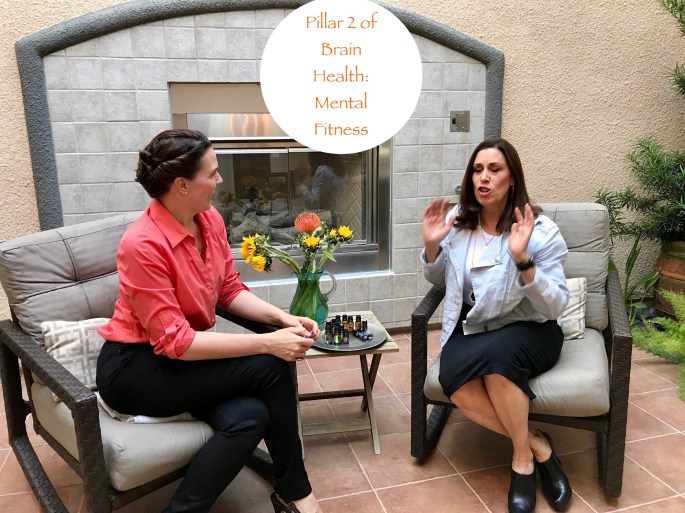
Pillar 2: Mental Fitness

Ever considered the fitness level of your brain?   We are constantly reminded that physical exercise helps increase oxygen to our brains and promotes overall health, but when was the last time you saw an advertisement urging you to increase flexibility and motor functioning of your supercomputer?

Welcome to Pillar 2 in our 6-part series on Brain Health.  This week’s focus:  Mental Fitness.  In case you missed last week’s post on Pillar 1 of Brain Health: Physical Exercise- you can find it here.

Our brains, like our muscles, are hungry for activation and use.  Today’s blog post is a video interview with Linda Fogg-Phillips, director of Tiny Habits Academy.  Linda is an expert in habit formation and behavior design, having taught over 65,000 people around the world through a rigorously tested scientific model designed by her brother, Stanford Ph.D and professor, B.J. Fogg.  Whether you want to adopt new personal habits, or train members of your business to help improve the lives of their clients, Tiny Habits can help!

We explore 5 key components of Mental Fitness and share insights on positive habit formation while pairing them with the purest and most potent essential oils in the world!  You don’t want to miss this!

Enjoy the show !

Feel free to share these tips with your friends and family, it’s the best way to reinforce your learning!! #standinlove#tinyhabits


To begin your journey with these life-changing essential oils, click here.

Thanks for joining, and see you next week as we explore Pillar 3: Food  & Nutrition


The 6 Pillars of Brain Health


Did you know that your brain weighs approximately 3 pounds, and processes nearly 70,000 thoughts per day?

Inspired by an encounter with world-renowned memory expert, Jim Kwik last week at the Cleveland Clinic Lou Ruvo Center for Brain Health, I am thrilled to share more in-depth my passionate work in essential oil therapy as a doTERRA Wellness Advocate and Business Coach!  It’s no surprise that doTERRA’s 5 pillars of health and wellness align perfectly with the The Six Pillars of Brain Health, as defined by the Cleveland Clinic.  Together, we will take a look at specific doTERRA essential oils to help you maximize each pillar of brain health.  This is a 6-part series, and my goal for you is twofold:  First, for you to fall in love with your supercomputer, and more importantly, for you to discover the wonderful world of Certified Pure Therapeutic Grade (CPTG) essential oils that will help boost your health and wellness naturally!  Ready for a learning journey?

 The Brain is a Supercomputer

The brain is the most vital organ to everyday life and functioning and, together with the spinal cord and peripheral nerves, makes up the central nervous system which directs, coordinates, and regulates voluntary (conscious) and involuntary (unconscious) processes.   The brain, like a muscle, is “use dependent” meaning it requires continuous use to grow stronger.  A humbling statistic Jim pointed out shows nearly 75% of what we learn is lost within 48 hours if the memory is not exercised properly.

Our brains manage and direct all organs, systems, and body processes and have several layers of protection including the skull, thin membranes, and cerebrospinal fluid.  The brain also has a protective mechanism commonly referred to as the blood-brain barrier, which keeps cells of the nervous system separate from cells throughout the vascular system (the rest of the body).

Essential Oils and the Brain

Due to their unique chemical constituents and the fact that they are carbon based, essential oils are able to permeate the protective blood-brain barrier and provide support for such things as headaches, migraines, vertigo, emotions, and mood.  Oils like Frankincense and Sandalwood are composed of specific chemical constituents called sesquiterpenes, and have a particular affinity for supporting the brain.  Essential oils with antioxidant and anti-inflammatory properties are also particularly important for maintaining a healthy brain.

Now that we have a basic understanding of the brain and essential oils, let’s take a look at the first of 6 pillars.

Pillar 1: Physical Exercise

Research shows people who exercise regularly may have a lower risk of developing Alzheimer’s disease.   Exercise improves blood flow and memory; it stimulates chemical changes in the brain that enhance learning, mood and thinking.  Have you ever taken a walk and suddenly an idea came to mind that would help improve a work situation,  or relationship conundrum?  Exercise pumps oxygen to our brains and magical things happen!

 Essential Oil Tips

  • Pre-workout:  Try using the blend Breathe or Peppermint essential oils to awaken the lungs and prepare them for activity.  Both of these oils help promote clear airways and provide an invigorating aroma.  Place a small drop in the palm of your hands, rub together and cup hands over the nose and take a few deep inhalations.   I love starting the day this way!  You may also like Eucalyptus oil or Purify- the Cleansing Blend as well! That’s the beauty of essential oils, there are endless choices.  Pick what works best for you!
  • During workout:  Try a drop of your favorite energy boosting citrus oil like wild orange, lemon, lime, or grapefruit in your water for a quick pick-me-up while exercising.  Just remember safety precautions when using cold-pressed citrus oils. For more on oil safety, click here.  Not only is lemon refreshing, and invigorating, it has been used historically to help lower blood pressure.
  • Post workout:  After any exercise, enjoy the soothing benefits of the Deep Blue Rub, by applying topically to areas that feel sore.  This is an amazing blend of Wintergreen, Camphor, Peppermint, Blue Tansy, Blue Chamomile, and Helichrysum – oils that are frequently studied for their abilities to soothe inflammation, alleviate pain, and reduce soreness.  The cool, refreshing sensation when applied is an added bonus!

For all you DIY lovers, try making this simple Joint Juice blend to help promote joint support!  Simple and effective!

  • 30 drops of soothing blend (Deep Blue)
  • 25 drops of frankincense – (this boosts the benefits of Deep Blue!)
  • place in 10ml roller bottle
  • fill the rest with fractionated coconut oil and shake to blend.
  • rub onto affected area as needed.

Join Stand In Love next week as we take a look at the 2nd Pillar of Brain Health: Mental Fitness!   

JenniferMiller the founder of Stand In Love-a worldwide platform for sharing her core values:
Serving People | Inspiring Ideas | Living Your Purpose

Connect on Facebook of Instagram @standinlovejen


3 Tips for Whole-Hearted Living

“The capacity for delight is the gift of paying attention.” – Julia Cameron

Hello friends of StandinLove!  If this is your first visit to the blog, I would like to welcome you!  So glad you popped in!
This is a creative place where people from around the world gather in connection.  It is about People | Ideas | Purpose.    StandinLove represents  3 words and 1 purpose.  The S from Stand is for Serving People.  The I from in is for Inspiring and Inviting Ideas.  The L from Love is Living your Purpose.    How do we SIL?  Connection, Engagement, and Encouragement.   On that note, I am beyond grateful for the group success of this weekend’s Share the Love connection event!

The purpose?  Invite friends new and old into the BeadforLife circle to share our hearts over good old-fashioned cups of hot Ugandan black tea.  The ambience was just right.  The rains descended from a cloudy desert sky, providing a much-needed shower to the dry and dusty landscape.  We filled our cups, and together, imagined we sat alongside the makers of the beautifully rolled recycled paper jewelry that brought us all together Saturday afternoon.   What I appreciated most about this particular small-group gathering is the realization that the women came together not just for the BeadforLife jewelry, but to connect with one another out of a deep desire to be a part of something larger than themselves.  It was beautiful to behold.  We collectively raised over $900 for BeadforLife, which will send 3.28 deeply impoverished women to the Street Business School– a 6 month entrepreneurial training program taught in mobile classroom environments in Uganda, Burundi, Rwanda, Somalia, and Kenya!

Sharing thoughts and viewpoints on subjects we currently enjoy, we practiced something friendship expert and author Shasta Nelson refers to as frientimacy.  I offered a few insights from inspiring writers who have influenced my passion for living each day with whole-hearted intention.

What does it mean to live with your whole heart? Let’s discover 3 simple ways we can start connecting with our whole hearts today, in honor of February 13th: Self-Love Day!

Live Passionately.

What makes your heart sing?  What makes it difficult to go to bed at night and makes you jump out of bed first thing in the morning?  Enjoying a favorite variety of coffee?  Spending time with friends and loved ones?   Refurbishing a well-loved piece of furniture? Organizing your ideas for a new business venture?  Checking a life goal off the bucket list?  Creating visions for future opportunities? Overcoming life challenges with bravery and courage? Learning something new? Influencing others with your creativity?

To live passionately is to live life creatively:  To unlock, unblock, and unleash your creative genius.    Julia Cameron’s The Artist’s Way has been a staple in learning environments around the world.  One of her many tips to rediscovering passion and creativity in your life is enjoying what she refers to as an Artist’s Date.  This solo rendezvous is designed to replenish your creativity bucket as well as connect you to the things you appreciate most in life.  A walk in the park admiring nature, a trip to your favorite shop, or maybe a drive to a remote location to experience peace and tranquility.  Cameron recommends choosing activities involving all the senses to maximize the creative potential.  Intentionally focusing on what you smell, hear, touch, see, and taste feels incredibly invigorating!

Love Compassionately.

Best-selling author Richard Bolles discusses more than just career transitions in            What Color is Your Parachute.   Whether you are embarking on a new career, entering retirement, or in the middle of a life transition, he takes you on a journey of self discovery, helping you identify your unique talents and gifts with the goal of sharing them with people at home, in the workplace, and in the world.   After completing the detailed, self-reflective  7-petal exercise he concludes with this thought-provoking observation, ” The more you ponder the mystery of you, the more you must ponder the mystery of all those you encounter; every loved one, every friend, every acquaintance, every stranger.” 

Incredibly profound if you stop to consider the implications.  The more we come to understand ourselves at our core, the better we will come to understand and appreciate others.   Why? Because if we truly honor and explore our unique preferences and creative talents, we will then create the opportunity to love others more deeply recognizing their specific talents and gifts.   This understanding of ourselves and others leads to increased compassion and allows our hearts to be full.   There is a reason this book has been a best-seller for over 45 years!

Give Generously.

In Rising Strong,  renowned author and shame researcher Brené Brown explores the concept of giving generous assumptions.  She looks at giving in terms of intangibles like forgiveness, empathy, and giving someone the benefit of the doubt.   The theory presumes  people are giving their very best at any given moment.  She says when we give someone the most generous assumption possible, we invite opportunities to connect on a deeper level.   I believe this plays a fundamental role in whole-hearted living, as it creates space for people to be human.  It grants permission to make mistakes.  It allows grace a seat at the table.  Giving generous assumptions about others helps quiet our own nagging, critical voice telling us to be perfect and releases others from expectations we have placed upon them.

When dealing with relational conflict she says, “What is the hypothesis of generosity? What is the most generous assumption you can make about this person’s intentions or what this person said?”

This notion of giving generous assumptions requires a little strength and a lot of courage.  It means we first have accept ourselves, so we understand how to practice with others.   It is difficult to give from a place of lack. When we give generous assumptions to ourselves, we silence the inner voice, we learn to trust ourselves, and we make room in our hearts.  Making room in your heart is a key component of whole-hearted living.  Creating space to love others.

Please share your thoughts in the comments on any of the reading selections, as well offer books you love that explore living and leading with your whole heart.  We all learn from each other in this beautiful circle of exchange!

Have a terrific week, and I look forward to connecting with you all again soon!

StandinLove,  Jennifer

PS.  BeadforLife is 50% off through the month of February.. if you have an idea or an event at which you would like to share BeadforLife, please let me know, and I’ll be happy to support you! 


Say Yes to the River

The river is everywhere.  – Hermann Hesse, Siddhartha

Rivers inspire.  Rivers give way and rivers give life.

Rivers are part of the life-giving water cycle:  incessantly moving, shaping, and transforming.   Cleansing rivers have beginnings and ends, like the famous Jordan River,   washing away the sins of ancient believers emptying them into the Dead Sea where life ceases to exist.   Powerful rivers, like the Colorado River, channel wild, rushing water and carve beautiful canyons and deep valleys.  Melodic rivers, like famed Czech composer Antonin Dvorak’s Serenade in E Major, relax our senses and guide us into calming, soothing waters.

A river is like an opportunity,  beckoning our hearts to listen.   Like rivers, opportunities come in all shapes and sizes.

I heard the concept of saying yes to the river by CEO and cofounder of Beadforlife, Devin Hibbard, during a recent podcast interview with MergeLane cofounder, Sue Heilbronner.   Her firm discovers, invests in, and accelerates great women and the companies they run.

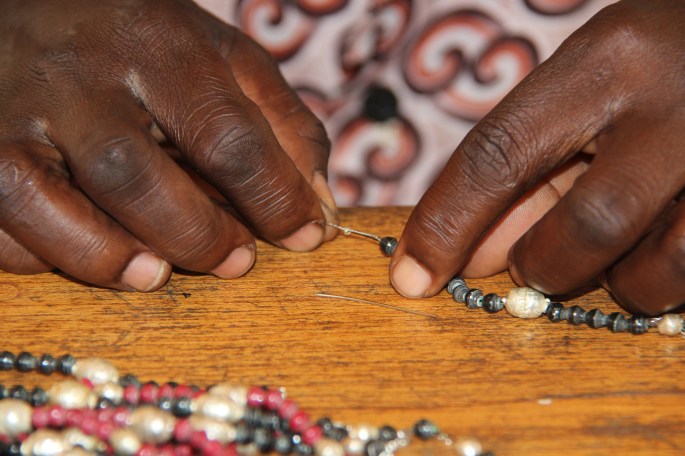
Saying yes to the river for Hibbard meant heeding the call to begin a heartfelt journey with BeadforLife- a global NGO whose mission is providing sustainable opportunities for women to lift their families from poverty by creating a circle of exchange that enriches everyone.    Women in Uganda create beautifully hand-crafted paper beaded jewelry and engaged volunteers and advocates create markets for the sale of their goods.  Proceeds are directly reinvested into program expansion initiatives.

IMG_4908
Beifa Nighty, places finishing touches on the Radiance Collection Necklace.                                By: http://www.standinlove.org

In 2004, Devin,  Torkin Wakefield-Devin’s mother and former peace corps volunteer-and Ginny Jordan, said yes to the river that is now known as BeadforLife.  What started 12 years ago as an intention-setting meditation has grown into an active,  global movement placing entrepreneurial training directly into the hands of the world’s most impoverished women. The scale and depth of this work is unprecedented as evidenced by the recent expansion into six African nations outside Uganda including Burundi, Rwanda, and Kenya.  This hands-on, mobile classroom approach, aptly dubbed the Street Business School, provides tailored business training through a successful network of implementing partners. Devin’s ambition and belief underlie her goal of reaching one million women by 2027.

Challenges

Saying yes to the river does not come without challenges as Hibbard points out.  “We are and continue to be a learning organization”, she shared when asked how an entrepreneur without formal “business” training has achieved this level of success in her organization.  She added,  “We felt like this was something the world wanted us to do…and athough we didn’t have the right CVs to pull it off, we said ‘who are we to say no to the universe when it is giving us something’.”

Hibbard combines a passion for social entrepreneurship and international development with a network of engaged supporters,  worldwide donors, and a team of devoted colleagues working in Kampala, Uganda, and Boulder, Colorado, the nonprofits’ U.S. location.

Devin is not the only one who says yes to the river, exercising courage and plunging feet first into the deep, often unknown future.  The Street Business School encourages its participants to say yes to the river– the river of fresh opportunities where chances at renewed life replace the familiarity of poverty, dependence, and social exclusion.  The members of Street Business School, often rural subsistence farmers living on $0.60 a day, are challenged to trust not only the program’s leadership and it’s initiatives, but also- themselves.

Belief

Saying yes to the river for a vast majority of BeadforLife members means learning to read and write, and courageously stepping into a mobile classroom environment joined by neighbors and strangers from familiar socio-economic backgrounds as well as women who have successfully transitioned from poverty to economic independence.  The program graduates serve as mentors while lending credibility to the program’s effectiveness.

BeadforLife resembles a braided river,  whose multiple channels connect flowing streams of believing, compassionate individuals.  The river’s source- LOVE.

jennife-r6-010-3a
Ariel view of New Zealand’s braided Dart river located in picturesque Glenorchy.                   By: http://www.standinlove.org

When was the last time you thought about saying yes to the river?

Ragnarian Rapport Floods the Mohave Desert

What’s the best way to get to know someone?

Endure 24-36  hours temporarily crammed in a passenger van with 5 others, run 3-11 miles on adrenaline, sleep-maybe- and repeat twice.

What brings together road and trail warriors, often complete strangers, in one of the toughest overnight challenges offered in 19 of the most scenic locations across the United States?

Reebok’s Ragnar Relay.   A veritable test of endurance, collaboration, and will.

And what, pray tell, are the motivating factors that stir the hearts and soles of these participants known in Ragnar lingo as Ragnarians?  After spending an enthusiastic 3 days following teams PimpMyStride and SupaFupaTroopers, it was abundantly clear: Camaraderie, Challenge, and Conviction. 

I had heard of the wildly decorated team vans, the clanging of cheering cowbells, the colors of warrior-like painted faces, and the creativity of costumed runners, but admit I never explored the relational depths of such an undertaking.   A Ragnar Relay team consists of 12 runners divided into 2 vans with approximately 200 miles to cover in the span of 2 days and 1 night.  Each runner completes 3 of the 36 varying course segments accumulating a minimum of 12-13 miles.    6 people and 1 van is considered an ultra team, with each runner performing double duty and 26+ miles.   Intrigued by challenges involving endurance and mental fortitude, I decided to venture into the welcoming community of Ragnarians.  Thanks to a volunteer opportunity with the local police department and a gracious invitation on social media, I was afforded an insider’s glimpse.

Camraderie

Eager to share the Ragnar experience from the runner’s perspective, I met team captain and repeat Ragnarian Annie Pham of San Diego at her team’s strategic location, a rented Vegas mansion, for some pre-race interviews Thursday night.   Together with team Unsupervised Adults, we lounged on the back patio, under the glowing light of a low-hanging desert moon as teammates proffered their resolves for accepting this rigorous endeavor.   Christy, Kelly, and Claire expressed their appreciation of fostering new friendships within this united tribe of spirited adventurers.  “Running is usually a solo sport, ” said 13 time marathoner Claire, “but Ragnar gives you the opportunity to share your love of running in community.”  “It’s the togetherness, the friendships that form, the bonding that happens during an event like this that keeps me coming back, ” shared Kelly. “I’m a first timer,” said Christy, “and I am glad Kelly invited me for this amazing challenge .”  Annie’s impact as team leader was self-evident.  The meticulously planned and printed running time tables, scheduled wake-up calls, and the abundantly stocked kitchen mere hints of her exceptional leadership abilities.

Challenge

“I decided that before my 55th birthday in March of 2017, I would run a 1/2 marathon and compete in a Ragnar Relay,” said team member Rowan, a Dosimetrist from CA when I asked him why he chose to accept the call to run.   Rowan graciously admitted his status as a novice runner, highlighting his commitments to stay in shape and connect with others in a satisfying team environment.

Over 350 teams took the Ragnar Relay challenge in Vegas this year including groups from Central Christian Church, Hakkasan Group, and a local high school team from Henderson called the Coronado Sole Runners.   Some teams combined challenge with philanthropy, opting to add a fundraising component for their favorite charities.

In addition to the inherent course challenges (uphill climbs, knee-stressing descents,  fatigue, fear, and inescapable desert sun) was the relational challenge.   An interruption of all things comfortable:  space, sleeping arrangements, and status quo.  Teams carried the task of motivating each other, lifting spirits, and continuing to encourage weary and worn-out minds and legs that yes, they could finish the race set out before them.  They had to believe, even when the pain and struggles seemed impossible to overcome.

Conviction

Enter team 1: SupaFupaTroopers.   I met van 1 of team 1 at Exchange 3 of 36 in the middle of Lee Canyon Road, approximately 12 miles downhill from Mt. Charleston Snowboard and Ski Resort,  just off US95.   It was the first runner witnessed at our exchange that afternoon.  I grabbed my brass bell, dashed into the street cheering with ebullient enthusiasm as teammates Mark and Mark exchanged the slap bracelet– the Ragnar version of a relay baton.  Ranging in age from 17-41, this team not only lucked out getting their team number to be 1, they actually finished in first place!   Mark Bennett, a collegiate runner for Southern Utah University and 15:06 5k runner took the relay’s longest leg, an 11.1 mile run through the desert’s Joshua trees and thorn bushes on a trail of rocky gravel, the last 5 miles of which he said were an uphill battle .

I learned at the finish line late Saturday morning talking with the wife of one runner, that the team set a specific goal of finishing in under 24 hours.   As seasoned participants, this team held fast to the belief that they could and would accomplish this quest.   Together, they did.

Better Together

As a relational and community bonding event, Ragnar Relay rallies dreamers and conquerors to bring their best selves to a team to accomplish the goal.   With social media tags like #bettertogether, #innerWild, # chasethesun,  and #chasethemoon, it was clear that this experience had implications reaching far beyond the scope of running.  Thank you Ragnarians for sharing your culture and inspiring the notion that everything is achievable when you are in it together.    The impossible becomes possible, the unrealized turns to reality through the power and strength of togetherness.


Foundations of Friendship

Today, I had the honor of experiencing first hand the great work and services offered at the Veterans Transition Resource Center (VTRC), a nonprofit collaborative partnership between Life After Active Duty and Veterans Care Foundation, created to help fill the gap in Veteran Services in Las Vegas.

Our Mission ~ To be a beacon, for our Military, Veterans and their families around the world, to help navigate the challenging obstacles from military life back to civilian life.

At the invitation of a friend, I accepted an opportunity to hear insights from friendship expert, Shasta Nelson, author, speaker, and founder of Girlfriendcircles.com.  Shasta shared years of research on the subject of friendships and the impacts on our health, stating ” We are experiencing an epidemic of unacknowledged loneliness.  More than anything, people desire to feel loved and supported.   Research shows that disconnection is the health equivalent of smoking 15 cigarettes a day, even likened to the devastating effects suffered by those with addictions like alcohol.”  Point: loneliness, disconnection, and lack of a support network takes a toll on your mental and physical well-being.

This subject effects each and every one of us, not just veterans. Everyone needs friendships and support networks. What I appreciated most from her interactive talk with the group today, many of whom lost loved ones in active duty or are current care takers for loved ones, is that before we can learn how to be supported we must first understand what it means to be a friend.  Guys, this goes for you as well.

Three Components of Friendship

Friendship, she defined as:

Any relationship where two people feel satisfied, safe, and both people feel seen.

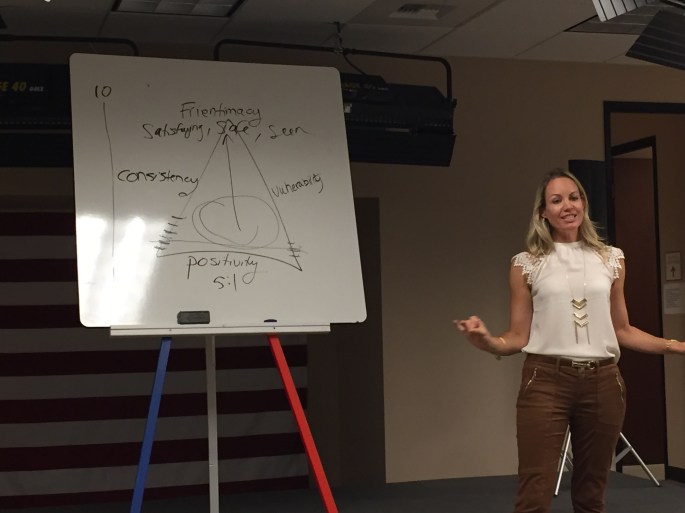
Shasta then drew a triangle on the white board in front of the group and shared the three most important components, requirements rather, for solid friendships to occur.

1. Positivity.

According to Shasta and her research, we should have a ratio of 5:1 for positive to negative interactions.    To be a good friend means sharing positively, impacting relationships in a healthy way.  This doesn’t mean we can’t share hurts and hangups in our lives with our friends, rather, it’s an opportunity for us to share where we are at to be truthful with our current situation and then offer something like, “I’m going through a rough time right now with work/ spouse/ (fill in the blank), but I’m so excited to be out meeting new people and building new friendships!”  Everyone likes to be around positive energy.

2. Consistency

We all know how hard it is to keep up with friends who live in different states, have different schedules, lifestyles, etc, but the key is connecting with regularity.  Even if it’s micro movements like calling each other at a set time each week or couple of weeks, or sending texts periodically, it’s keeping the contact consistent.   Shasta revealed that this is key for friendships, because consistency helps build trust between friends.  Helps instill the “safety” factor in the relationship.

She pointed out very keenly that this process of meeting people regularly happened as children when we were in school, and happens daily in the workplace.  There is a structure to the relationships, helping people bond more easily.  Things like deployments, church groups, university settings, and volunteerism place people in routines with consistent patterns, and naturally lead into the development of friendships.

3. Vulnerability

This is the component of friendship that Shasta says “makes us feel seen”.   Being vulnerable doesn’t necessarily mean we have to “vomit our vulnerability on new friends, rather, our level of vulnerability should increase incrementally with our consistency with that friend”.  As we see them more often and the friendship grows, we are able to increase our capacity to be vulnerable with them.

Vulnerability, according to Shasta, isn’t just sharing the hurting parts of our life, but can be translated as “initiating”.  When we ask someone to connect with us for a coffee, walk, or get together, we fear rejection and the very act of asking is being vulnerable.  It’s ok.  And it’s ok if we get a “no”.  That doesn’t mean we should feel rejected.

Self Assessment

At the conclusion of the session, Shasta challenged us to consider our friendships.  On a scale of 1-10, how supported do we feel in our friendships?  Are we putting too many expectations on the relationship and pushing that person away from us rather than drawing near?  What is missing in our friendships, and how can we improve ourselves to be better friends to someone else?

If positivity, consistency, and vulnerability are the three key ingredients to developing healthy friendships, what could I increase to improve the quality of my friendships?

My favorite takeaway was undoubtedly the following remark I believe hit home for every person in the audience.

Show up in beauty and light.

It’s not about finding the right person to be your friend, but fostering the right relationships you have.

Thank you Shasta Nelson for sharing your passion for friendships and connection with us today in the room.   Your heart emanates light and love.  I know I am not the only one who felt a connection with you.

To learn more about Shasta Nelson’s work, check out her published books on the subjects of friendship and connection.

What one word comes to your mind when you think of friendship?

Stand In Love,
Jennifer


Authenticity Awakening

Bonjour mes amis!

Well, it’s another scorching hot summer afternoon in the Mohave desert today.  As a 13 year resident of Las Vegas, ( a Chicago transplant) I have come to appreciate the inherent gifts in  consecutive 100+ degree days- often with 12-14 full hours of non stop sunshine!   As a practice of gratitude and appreciation, I will share with you a few :

  • waking up naturally before sunrise and strolling to the park to see golden retrievers and their loving owners enjoying a game of fetch in the cool, freshly watered grass.
  • cycling in the dry air on my very first mountain bike purchased in 1998 (yes, it still works, and I LOVE it!)
  • knowing exactly how to dress each day for months, as the temperature is incredibly consistent!

I shared a little in my previous post about the nature of transitions…. and in honoring the title of this entry, authenticity,  I felt it time to delve a little into what authenticity has meant to me over the past couple of months.   (Giving myself permission to be vulnerable and without shame…. here goes….)

After 10 years in the fine jewelry business, I made the difficult yet necessary decision to follow my heart on a journey towards authenticity.   While I absolutely loved being a part of so many of life’s precious moments with clients , my heart told me it was time to venture into the space of the unknown, trusting my instincts calling me forward in faith .   What made this decision a tad bit tricky, was the fact that I worked for a small family owned business- my husband’s family.    As anyone who has ever worked in a family business environment knows, it has its unique challenges.  Suffice it to say that life unfolds in mysterious ways, making marvelous masterpieces out of what appears to be destruction.  I have always reflected on the beauty of Anais Nin’s words below and wondered when I would get the courage to take the risk. pranaprogram_anais_nin_quote_and_the_day.jpeg

Well, now is the time.  July 2nd I decided to take a risk and dive into the beauty of the blossoming.    I met with as many clients in store as possible  the weeks preceding in efforts to connect in person to say goodbye and thank them genuinely for sharing part of their defining moments with me. (engagements, anniversaries, birthdays, achievements, milestones, and birth/ adoption of babies!!) I have witnessed the love of so many people in 10 years… wishing to express this love with precious pieces of jewelry.

IMG_3320.jpg

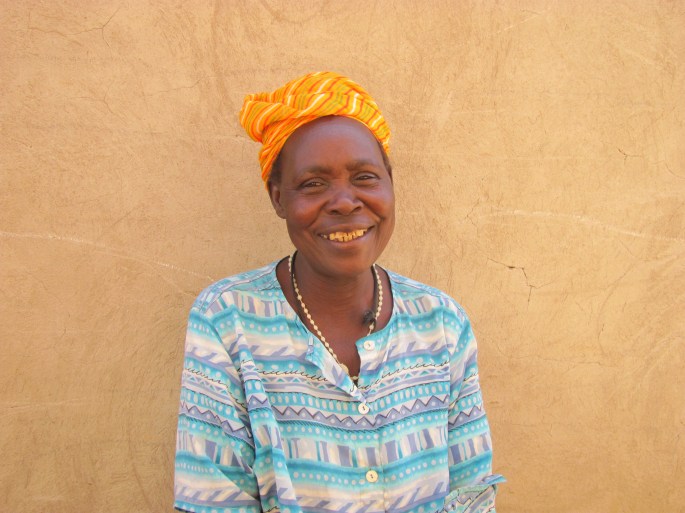
How blessed I have been!  My colleagues and I have also enjoyed spreading the message of hope at the heart of Beadforlife’s ( www.BeadforLife.org)  recycled paper jewelry in the shop every day.  Creating a bridge between sharing the story of diamonds as well as recycled paper beaded jewelry, handmade in Uganda by beautiful women living on less than a $1 a day, striving to be their best selves daily through income generating opportunities and entrepreneurial training.

Ugandan woman smiling.jpg


I was reminded at a Sunday service that we most often fear the unknown.  We fear change.  We fear the truth.  We feed the fear wolf, instead of feeding the faith and hope wolf.   Which wolf are you feeding?   It is essential that in these times of transition we give ourselves permission to try new things, and allow ourselves the opportunity to fail.  Give up perfectionism, and fall into the arms of grace.  The grace of giving it a go ’round and changing our approach if unsuccessful.  Giving it a rest instead of giving up when our realities don’t match our expectations.  And like my good friend and mentor always reminds me, “we are human beings, not human doings.”   (Thank you Joan, for this insight.)

IMG_6049.jpg

I have been eager to share with you this little poem I discovered, whose soul I believe connects with each and every one of us.

Be the Best of Whatever You Are

If you can’t be a pine on the top of the hill,  Be a scrub in the valley- but be the best little scrub by the side of the rill;  Be a bush if you can’t be a tree.

If you can’t be a bush, be a bit of the grass, And some highway happier make;  If you can’t be a muskie than just be a bass- but the liveliest bass in the lake!

We can’t all be captains, we’ve got to be crew, There’s something for all of us here, There’s big work to do, and there’s lesser to do, And the task you must do is the near.

If you can’t be the highway than just be a trail, If you can’t be the sun be a star; It isn’t by size that you win or you fail- Be the best of whatever you are!


Author and researcher Brene Brown writes truthfully on this subject of Authenticity in her book “The Gifts Of Imperfection”.  Authenticity, she describes, “is the daily practice of letting go of who we think we are supposed to be, and embracing who we ARE.”   

May you take a step, even a micro movement… towards your authentic self.  What would your authentic self look like?  Dare to ask yourself.  Dare to do it on paper, with a loved one, or in the mirror.  Dig into a book by SARK, Brene Brown, or Marianne Williamson.   Connect with friends and ask this question to each other over coffee or tea.  I’m on the journey together with you… and I’m daring to explore  passions of connection with cultures around the world- uncovering the commonalities in humanity.

IMG_2554.jpg

What would you do if time, education, resources, and self-doubt were not obstacles on your journey towards following your passion?  When you discover it, hold it deep in your heart and commit to making it a reality step by step.

One thing at a time“, as my dad always lovingly reminds me.

Remember to Stand in Love, rooted in truth, and aim to be the best version of YOU today that you can be!

Jennifer